What Changed From Original Strixhaven
Secrets of Strixhaven is not your 2021 Strixhaven format. The bones are the same — five two-color colleges, each with a distinct identity — but the mechanics are different enough that old habits will get you killed.
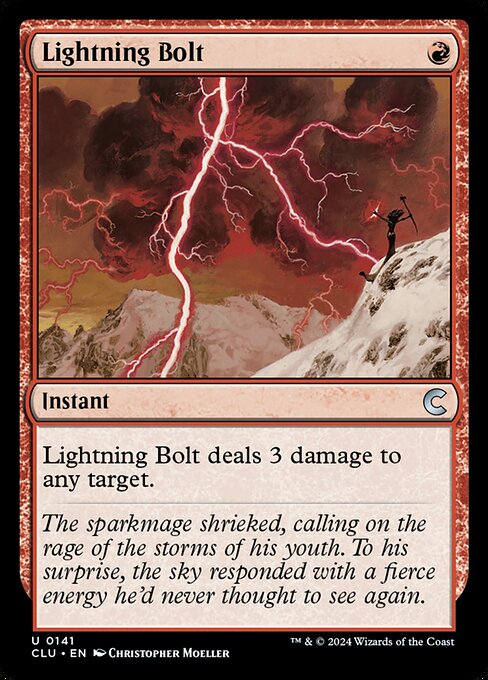
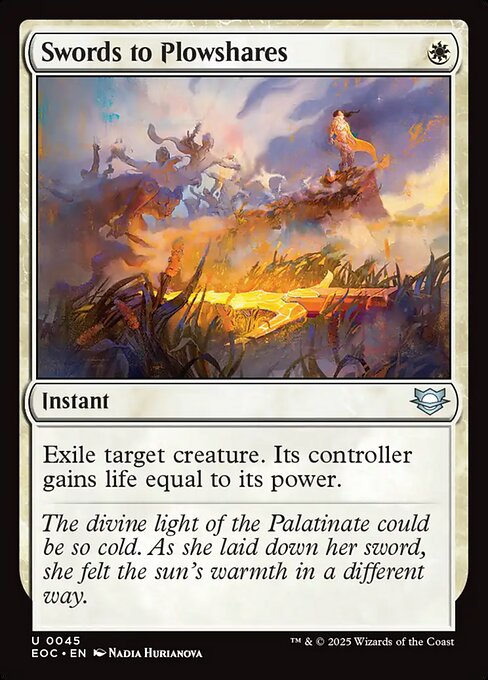


The biggest shift from original Strixhaven: the colleges have distinct named mechanics now. In 2021 Strixhaven, Learn/Lesson was the shared mechanic across all colleges. Secrets of Strixhaven replaces that with college-specific ability words — infusion for Witherbloom, opus for Prismari, repartee for Silverquill, and increment for Quandrix. This means each college plays more differently from the others, and your draft picks commit you to a strategy earlier.
Mystical Archive returns. Every single pack has one iconic instant or sorcery with unique art treatments. This changes every pick evaluation. Sometimes the best card in your pack is a bonus sheet Lightning Bolt or Swords to Plowshares, and you have to decide whether a generically powerful spell is better than an on-archetype common. That tension makes this format great.
Four new mechanics define the colleges. Silverquill gets repartee (triggers when you target creatures with instants and sorceries). Quandrix gets increment (+1/+1 counters when you cast spells with greater mana value than a creature's power or toughness). Witherbloom gets infusion (upgraded effects if you gained life this turn). Prismari gets opus (spell triggers that scale when you spend five or more mana). Each rewards specific deckbuilding patterns more than raw card quality.
Converge returns. If you cast spells with multiple colors of mana, you get bonuses. Converge cards are mostly colorless or single-color, so they fit in any college and reward splashing. The Archaic cycle (Sundering Archaic, Transcendent Archaic, etc.) are the strongest converge payoffs at uncommon.
If you want to follow along with this breakdown, fire up a free Secrets of Strixhaven draft and try these strategies yourself. For sealed and prerelease strategy, see our SOS Sealed & Prerelease Guide.




The Five Colleges: Archetype Breakdown
Silverquill (White-Black) — Repartee Tempo
Silverquill wants to deploy cheap creatures, then trigger repartee by targeting them with combat tricks and removal. The key insight: your removal spells do double duty because they trigger repartee abilities on your own creatures while killing your opponent's threats.
Key commons: Inkling Mascot is your bread and butter — a two-color creature that signals your commitment and works with the archetype. Shattered Acolyte is the best white common in the set at 3.0 rating and curves perfectly into repartee plays on turn three. Owlin Historian gives you card flow in a tempo shell.
Key uncommons: Scolding Administrator (3.7) and Snooping Page (3.7) are both excellent. Abigale, Poet Laureate is a split card that gives you flexibility between an early creature and a spell trigger.
Trap to avoid: Do not draft too many expensive spells. Silverquill wants to curve out and use repartee triggers to pull ahead. If your curve tops out at five mana, you are doing it right. If you are casting six-drops, you have drifted off plan.
Curve target: 16-17 creatures, peaking at 2-3 mana. You want to deploy threats on turns two and three, then start targeting them with tricks and removal on turns three and four. A hand with a two-drop creature and a combat trick or removal spell is a keep every time.
Key synergy: Scolding Administrator plus any combat trick is a two-for-one — the trick triggers repartee on the Administrator while also protecting or pumping your attacker. Prioritize cheap instants that target your own creatures: they are removal in disguise because repartee turns your pump spells into card advantage.
Draft priority: Picks 1-5 take the best removal or bomb regardless of color. Picks 6-10 commit to Silverquill by prioritizing Inkling Mascot, Scolding Administrator, and on-color removal. Picks 11+ fill your curve with any playable WB creature.


Prismari (Blue-Red) — Big Spells
Prismari is the greediest college and the one most likely to want Mystical Archive cards. The archetype rewards casting expensive spells, and the Mystical Archive gives you access to powerful instants and sorceries that would otherwise be above rate for limited.
Key mechanic — Opus: Whenever you cast an instant or sorcery, opus abilities trigger. If you spent five or more mana on that spell, the effect upgrades significantly. This is why Prismari wants expensive spells — a six-mana sorcery triggers opus AND hits the five-mana threshold for the bonus.
Key commons: Elemental Mascot (2.7) is your two-color signpost and provides a body that works with opus triggers. Deluge Virtuoso (2.5) gives you a solid tempo play at two mana. Expressive Firedancer (2.5) has opus synergy and Rubble Rouser (2.7) holds down the red common slot.
Key uncommons: Spectacular Skywhale (3.7) is a threat that demands an answer. Abstract Paintmage (3.5) rewards the big-spell plan. Sanar, Unfinished Genius is a split card that gives you both a creature and a late-game haymaker.
Converge payoffs are strongest here because Prismari already wants to cast multicolor spells. If you see converge cards wheeling, consider whether a third color splash is worth it.
Curve target: 14-15 creatures with a higher curve than other colleges. Prismari can afford to play 5-6 mana spells because opus rewards expensive casts. Aim for 3-4 cards at five or more mana — these are your opus payoff turns.
Mulligan guidance: Keep hands with early defensive creatures (2-3 mana blockers) and at least one expensive spell. Prismari loses when it stumbles on mana or has nothing to cast on turns five and six. A hand that curves blocker into blocker into Spectacular Skywhale is ideal.
Draft priority: Picks 1-5 prioritize bombs and premium removal. Picks 6-10 grab opus creatures (Expressive Firedancer, Deluge Virtuoso) and expensive spells that trigger the five-mana opus bonus. Late picks should fill your early curve with defensive creatures.


Witherbloom (Black-Green) — Life Drain
Witherbloom grinds. Its defining mechanic is infusion — cards with infusion have a baseline effect, but if you gained life this turn, you get a dramatically upgraded version instead. This means your life gain enablers (lifelink creatures, drain effects) do double duty: they gain life AND unlock your infusion cards. This is often the best college to be in because other drafters undervalue the BG cards, leaving you with a deep card pool even at a contested table.
Key commons: Glorious Decay (2.9) is the best green common and one of the strongest commons in the set — efficient removal that fits Witherbloom's plan perfectly. Pest Mascot (2.6) generates incremental value. Ulna Alley Shopkeep (2.7) is a solid black common, a menace creature that gets +2/+0 with infusion.
Key uncommons: Witherbloom has three uncommons tied at 3.7 — Essenceknit Scholar, Teacher's Pest, and Witherbloom Charm. The charm is particularly flexible, giving you three relevant modes for different game states.
Why Witherbloom is strong early in the format: life drain strategies punish opponents who stumble, and in a new format, people stumble a lot. Witherbloom also has the deepest common pool, meaning you can build a solid deck even if the college is moderately contested.
Curve target: 15-16 creatures with a balanced curve. Witherbloom wants early life gain enablers (lifelink creatures, Mindful Biomancer) on turns two and three to unlock infusion cards on turns four and five. The deck grinds, so do not worry about finishing fast — worry about enabling infusion consistently.
Key synergy: Any life gain source plus infusion cards is devastating. Even incidental life gain from Pest tokens or lifelink enables the infusion upgrade on your next spell. The deck rewards sequencing: cast your life gain effect BEFORE your infusion spell in the same turn.
Draft priority: Glorious Decay is a first-pick common — take it over everything except bombs. After that, prioritize life gain creatures and infusion payoffs equally. A Witherbloom deck without life gain enablers cannot trigger infusion, and infusion is what makes the archetype work.


Lorehold (Red-White) — Graveyard Matters
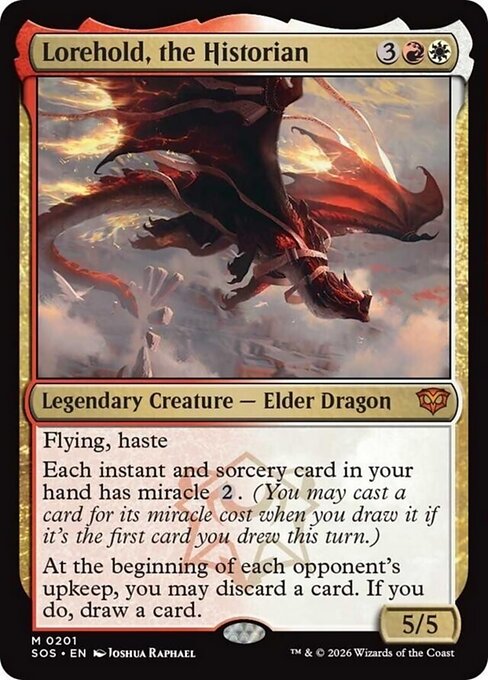
Lorehold is the surprise of the set. Red-white is usually an aggressive archetype, but Secrets of Strixhaven's Lorehold is built around graveyard matters — cards that trigger whenever cards leave your graveyard, plus flashback spells that fuel those triggers. This creates a midrange value engine that is a real departure from original Strixhaven's aggressive Lorehold.
Key commons: Spirit Mascot (2.5) is your two-color signpost — it grows whenever cards leave your graveyard, which makes it a real threat alongside flashback spells. Wilt in the Heat (2.5) costs two less if a card left your graveyard this turn, making it efficient removal in this archetype. Pursue the Past is a common with flashback that draws cards and fuels your graveyard triggers.
Key uncommons: Practiced Scrollsmith is tied with Sundering Archaic as the highest-rated uncommon (both 4.0). It single-handedly makes Lorehold a top-tier archetype. Startled Relic Sloth (3.6) and Colossus of the Blood Age (3.5) give you late-game power.
Draft tip: Lorehold wants a mix of early interaction and graveyard payoffs. Prioritize flashback spells and cards that trigger on graveyard exits. The deck needs to survive long enough for its engine to come online, so do not skip removal for marginal graveyard synergy.
Curve target: 15-16 creatures with a midrange curve peaking at three mana. Lorehold is not a pure aggro deck despite being red-white. Your early turns set up the graveyard (discard, self-mill, early trades), and your mid-game turns cash in with flashback and graveyard-exit triggers.
Key synergy: Pursue the Past draws cards AND has flashback. When you flashback it from your graveyard, the card is exiled after it resolves — that exit from graveyard triggers Spirit Mascot. Combined with Wilt in the Heat costing two less after a graveyard exit, one flashback spell can fuel multiple payoffs in the same turn. Wilt in the Heat costs two less after any graveyard trigger, making it a two-mana removal spell in the right sequence.
Draft priority: Practiced Scrollsmith is the uncommon you want most — it exiles a card from your graveyard (triggering your payoffs) and lets you recast it. After that, prioritize flashback cards and Spirit Mascot. Rubble Rouser is a strong red common in any deck but especially here where early creatures enable trades that fuel the graveyard.


Quandrix (Blue-Green) — Increment and Counters
Quandrix grows creatures through the increment mechanic: cast a spell with greater mana value than a creature's power or toughness, and it gets a +1/+1 counter. In practice, this means your early creatures snowball into legitimate threats as you cast your midgame spells.
Key commons: Pterafractyl (2.7) is a flexible X-cost creature that scales into the late game. Mindful Biomancer (2.5) is a cheap body that gains life and can pump itself. Hydro-Channeler holds the blue common slot.
Key uncommons: Cuboid Colony (3.8) is an outstanding payoff for the counter strategy. Fractal Tender (3.5) and Paradox Surveyor (3.5) both support the growth plan while providing solid bodies.
Increment trick: sequence your spells carefully. If you have a 2/2 creature and a three-mana spell, the three-mana spell triggers increment. But if you play the three-mana spell first, your new creature from that spell will not get a counter from it. Order matters.
Curve target: 15-16 creatures with a smooth curve from two to five. Quandrix wants small creatures early (1/1s and 2/2s that grow via increment) and bigger spells on turns four and five to trigger multiple increment counters. Pterafractyl is flexible because its X cost means it can trigger increment on different creatures at different stages of the game.
Key synergy: Cuboid Colony grows itself via increment every time you cast a spell that costs more than its current power or toughness. It starts as a 1/1 with flash, flying and trample, and grows each time you cast a spell that costs more than its power or toughness. Pair it with Pterafractyl and other increment creatures so a single expensive spell puts counters on multiple threats at once.
Draft priority: Cuboid Colony is the uncommon you want most (3.8 rating, highest Quandrix uncommon). After that, prioritize creatures with increment and spells at varied mana costs. Quandrix rewards a diverse mana curve more than any other college because increment cares about the mana value relative to each creature.


Mystical Archive: Drafting the Bonus Sheet
Every pack contains one Mystical Archive card — an iconic instant or sorcery with special art. Some of these are format-warping bombs. Others are barely playable in limited. Knowing the difference is the gap between a 3-0 and an 0-3.
The mythic Emeriti are insane. Emeritus of Truce (which flips into Swords to Plowshares), Emeritus of Conflict (Lightning Bolt), Emeritus of Woe (Demonic Tutor), Emeritus of Ideation (Ancestral Recall), and Emeritus of Abundance (Regrowth) are all 4.8-rated mythics. If you open one, you take it. Period.


When to take an Archive card over a regular card: if the Archive card is on-color removal or card advantage, take it over any common and most uncommons. If it requires a splash, take it only if you are already in a position to splash (Prismari with converge, or you have fixing). Do not wreck your mana for a cool spell.
Top 5 Archive picks for limited: any Emeritus mythic, Swords to Plowshares, Lightning Bolt, Demonic Tutor, and whichever removal spell fits your colors.
Best Commons in Secrets of Strixhaven
Commons define limited formats because you see them the most. Here are the ones to prioritize in every draft:


White: Shattered Acolyte (3.0) is the clear best white common. Two mana, efficient, and works in every white deck. Owlin Historian (2.7) provides card flow. Ajani's Response and Ascendant Dustspeaker are both solid at 2.5.
Blue: Deluge Virtuoso and Hydro-Channeler (both 2.5) anchor the mono-blue commons. Landscape Painter is a split card that gives you flexibility. Blue's commons are not individually spectacular but play well in both Prismari and Quandrix.
Black: Ulna Alley Shopkeep (2.7) is the standout. Adventurous Eater and Burrog Banemaker (both 2.5) are solid creatures; Burrog Banemaker's deathtouch makes it a strong blocker. Black has depth rather than one dominant common.
Red: Rubble Rouser (2.7) is the best red common and goes in every red deck regardless of college. Expressive Firedancer (2.5) and Goblin Glasswright (2.5) round out the top tier.
Green: Glorious Decay (2.9) is the best green common — only Shattered Acolyte (3.0) in white rates higher — do not pass it unless you have a bomb. Shopkeeper's Bane (2.6) and Mindful Biomancer (2.5) are the next picks. Green has the highest common quality floor of any color in SOS.
SOS Draft Pick Order: Tier List
Tier S (First-pick bombs): Lorehold, the Historian (5.2). Professor Dellian Fel (5.2). Quandrix, the Proof (5.1). Prismari, the Inspiration (5.0). Silverquill, the Disputant (5.0). Witherbloom, the Balancer (5.0). Any Emeritus mythic (4.8). The Paradigm mythic sorceries (Restoration Seminar, Echocasting Symposium, Decorum Dissertation, Improvisation Capstone, Germination Practicum) are also first-pickable — paradigm lets you recast the spell for free from exile at the beginning of each of your first main phases. The college commanders win games on their own.
Tier A (Strong early picks): The Dawning Archaic (4.8). Nita, Forum Conciliator (4.8). Sundering Archaic (4.0). Practiced Scrollsmith (4.0). Great Hall of the Biblioplex (4.0). Together as One (4.0). These shape your draft without locking you into a college.
Tier B (Solid playables): Cuboid Colony (3.8). Scolding Administrator (3.7). Snooping Page (3.7). Spectacular Skywhale (3.7). Essenceknit Scholar (3.7). Teacher's Pest (3.7). Witherbloom Charm (3.7). Harsh Annotation (3.7). Soaring Stoneglider (3.7). Muse Seeker (3.7). These are the uncommons that make decks work.
Tier C (Filler): Most commons rated 2.3-2.7. Playable but not exciting. You will fill your last 5-8 deck slots with these.
Tier F (Avoid): Cards below 2.0 rating. Narrow sideboard cards. Off-color cards with no splash potential. We rate every card in the draft simulator — hover any card to see its grade.
Reading Signals in SOS Draft
Signal reading in Secrets of Strixhaven works differently than most formats because the colleges create clear two-color lanes. Here is how to approach it:
Pack 1, picks 1-3: take the best card regardless of color. Bombs and premium removal transcend archetype.
Pack 1, picks 4-6: this is where signals matter. If you see a Witherbloom Charm or Practiced Scrollsmith pick 5, that college is open. Two quality on-color cards in a row at pick 4-5 is a strong signal.
Pack 1, picks 7+: if a college common is still in the pack at pick 7 or later, that college is wide open. Commit.
Colorless converge cards as neutral picks: cards like Sundering Archaic and The Dawning Archaic work in any deck and keep your options open early. Draft them when you are unsure of your lane — they buy time while you read signals.
Our draft simulator shows color signal dots in the sidebar that track which colors are open based on what is being passed to you. Use them.
Common Mistakes in SOS Draft
These are the most common mistakes in the format. Avoid them and you will win more games:
Forcing a college that is not open. This is the number one mistake in any Strixhaven format. If you committed to Prismari but blue and red cards are not flowing in picks 4-8, you are fighting two or three other drafters for the same cards. Switch colleges. A mediocre Witherbloom deck beats a contested Prismari deck every time because card quality matters more than archetype synergy.
Taking synergy pieces over removal. Removal wins limited games. An increment creature without removal to protect it dies to the first blocker. A repartee creature without a way to target it is just a body. Take Glorious Decay, Wilt in the Heat, and Witherbloom Charm over the fourth synergy creature.
Splashing without fixing. Converge cards tempt you into a third color, but casting a converge card with only two colors of mana is just a worse version of a two-color card. Do not splash unless you have multiple colorless converge cards or enough on-color dual lands to support the third color reliably. Three-color decks in this format lose to mana problems more than they win with power.
Cutting lands for spells. Seventeen lands is correct for SOS limited. Opus wants five mana. Increment wants varied mana costs. Infusion wants enough mana to cast a life gain spell AND an infusion spell in the same turn. If you go to sixteen lands, you will miss land drops in the turns that matter most.
Taking a famous Mystical Archive card over an on-college bomb. Ancestral Recall is one of the best cards ever printed in Constructed. In limited, it draws three cards and does nothing else. Lorehold, the Historian wins the game by itself. Take the bomb. The Archive card will feel clever for one turn; the bomb will win you three rounds.
Practice Secrets of Strixhaven Draft for Free
We built a free Secrets of Strixhaven draft simulator with all 266 draftable cards loaded. Seven AI opponents draft against you using pick evaluations calibrated to the format. Every card is rated, and you can toggle pick suggestions on to see what the AI recommends.
Features that matter for SOS practice:
- Pick suggestions: toggle "Show pick suggestions" and the AI highlights its top pick with a badge. Disagree with it, and learn why.
- Color signals: the sidebar shows colored dots indicating which colors are open at your seat. Use this to practice reading signals before the prerelease.
- Arena export: when your draft is done, click "Export to Arena" and paste the decklist directly into MTG Arena for testing.
- No account required. No signup, no payment, unlimited drafts. Just pick a college and start drafting.
We recommend doing 3-5 practice drafts, focusing on a different college each time. By the time you sit down for your first real SOS draft, you will know which commons wheel, which colleges are deep, and how the Mystical Archive changes pack evaluation.
Bottom Line
Secrets of Strixhaven is a deep format with genuine strategic diversity. Our early ranking of colleges: Witherbloom and Lorehold are the two best places to end up, with Quandrix close behind. Prismari is powerful but risky (greedy mana, needs specific payoffs), and Silverquill is aggressive but can fall apart without repartee enablers.
The Mystical Archive makes every draft different. You will open packs where the best card is a bonus sheet spell that has nothing to do with your college plan, and deciding whether to take it or stay on-plan is what separates the 3-0 drafters from the rest.
These assessments were written before release (April 2026) and have not yet been updated with 17Lands win-rate data. Head to the draft simulator and start practicing.
Tools & Guides You Might Like
Frequently Asked Questions
What are the best colleges in Secrets of Strixhaven draft?
Witherbloom (BG) and Lorehold (RW) are the strongest early in the format. Witherbloom has the deepest common pool with infusion providing consistent value. Lorehold has Practiced Scrollsmith (tied for highest-rated uncommon at 4.0) and a powerful graveyard engine with flashback. Quandrix (UG) is close behind. The best college is always the one that is open at your seat — read signals in picks 4-6 of pack 1.
How many lands should I play in Secrets of Strixhaven limited?
17 lands is correct for SOS limited. Opus wants five mana for the bonus effect. Infusion requires enough mana to cast a life gain spell and an infusion spell in the same turn. Increment rewards varied mana costs across turns. Cutting to 16 lands means missing the land drops that matter most in this format.
What is the best common in Secrets of Strixhaven?
Shattered Acolyte (White, rating 3.0) is the highest-rated common in the set. Glorious Decay (Green, 2.9) is second and the best green common. Both are first-pickable over most uncommons. After those, Owlin Historian, Ulna Alley Shopkeep, and Rubble Rouser form the next tier at 2.7.
Should I take a Mystical Archive card over a regular card in SOS draft?
Take an Archive card if it is on-color removal or card advantage (like an Emeritus mythic at 4.8 rating). Do not take an off-color Archive card over an on-college bomb or premium common. The college commanders (rated 5.0-5.2) are always the correct pick over any Archive card. Splashing for an Archive card is only worth it if you already have color fixing.
Can I practice Secrets of Strixhaven draft online for free?
Yes. ScrollVault has a free draft simulator with all 266 draftable Secrets of Strixhaven cards loaded at scrollvault.net/draft/?set=sos. Draft against 7 AI opponents, toggle pick suggestions to see AI recommendations, and export your deck to MTG Arena format. No account or payment required.