The Sideboard is a Weapon, Not an Afterthought
Ask which fifteen cards matter most in a competitive deck, and the answer is the sideboard.
Blank stare.
Here's the brutal truth: you can curve out perfectly, have all the gas you need, but if you bring in the wrong fifteen cards post-board, you'll lose matches you should have won. Your sideboard doesn't just "tweak" your deck-it transforms it. It's the reason you beat the mirror. It's how you hate out your opponent's entire strategy.
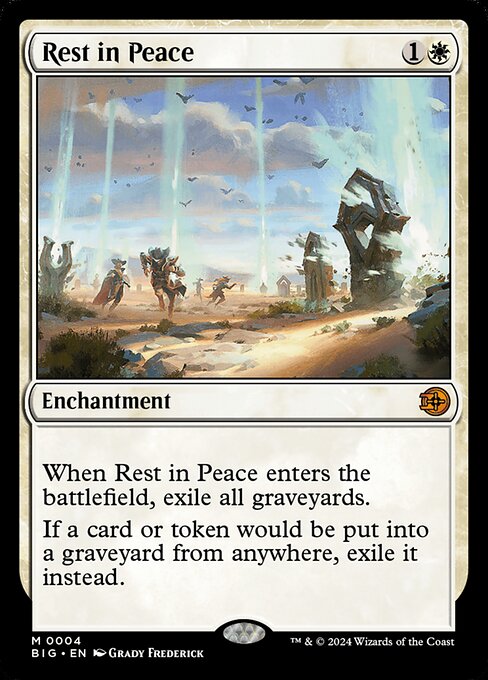
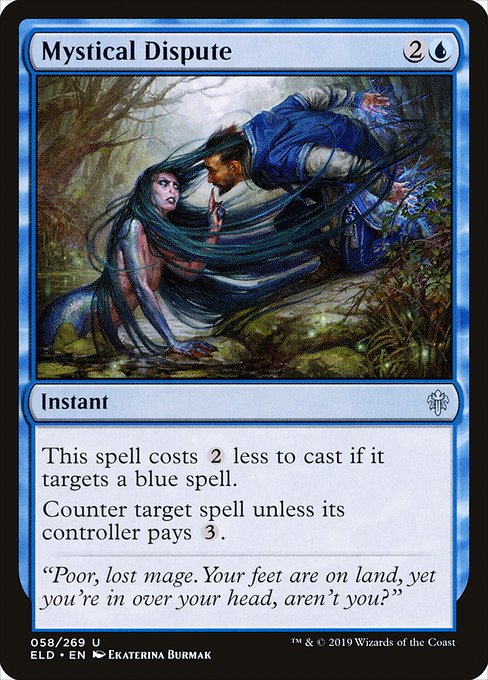
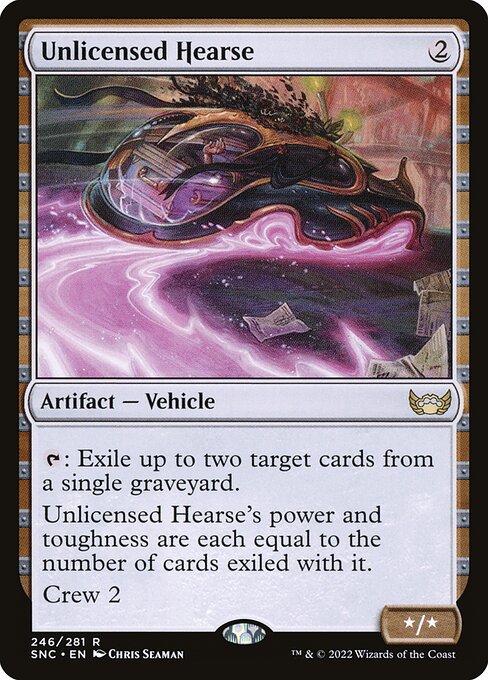
Today we're building better sideboards, using a framework that actually works. That means cards like Rest in Peace, Mystical Dispute, Negate, Duress, and Unlicensed Hearse. These aren't just good cards-they're the backbone of a sideboard that wins.
Think of it like this: your main deck is your trusty broadsword, good for most fights. But when you face a dragon, you don't just keep swinging with the broadsword, do you? You pull out the dragon-slaying lance, the enchanted shield, perhaps even a vial of dragon's bane. Your sideboard is that specialized arsenal, ready to be deployed when the situation demands it. The difference between a good player and a great player often comes down to their sideboarding prowess. It's not about having the flashiest cards; it's about having the right cards for the right moment. It's about understanding the metagame, your own deck's weaknesses, and your opponent's vulnerabilities. And there's no better feeling than watching an opponent scoop after you've perfectly sided in the silver bullet that dismantles their entire game plan. It's pure, unadulterated Magic.
Rest in Peace: The Reset Button
If you're playing white in Modern or Legacy and you don't have four Rest in Peace in your sideboard, you're doing it wrong.
This two-mana enchantment obliterates entire strategies. Rest in Peace exiles everything that dies or goes to the graveyard. No more value from lurking predators. No more recurring threats. No more delve or escape fuel.
Turn 1: Rest in Peace into a Thoughtseize-into-Duress hand? That's a 6-0 on the play against any graveyard deck. They can't operate. They can't kill you. They're playing vanilla creatures while you're deploying real threats.
The card is nuts because it doesn't just "hate" on graveyards-it annihilates them. It's proactive. It's cheap. Most importantly, it's a complete program that changes how your opponent plays the game. They have to find an answer before they can even start.
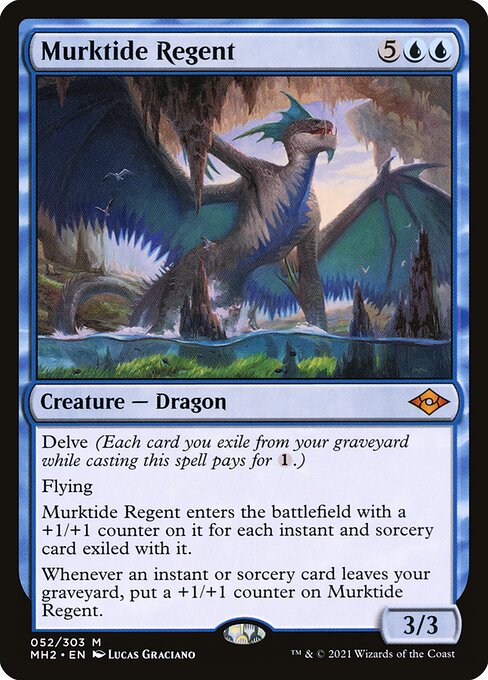
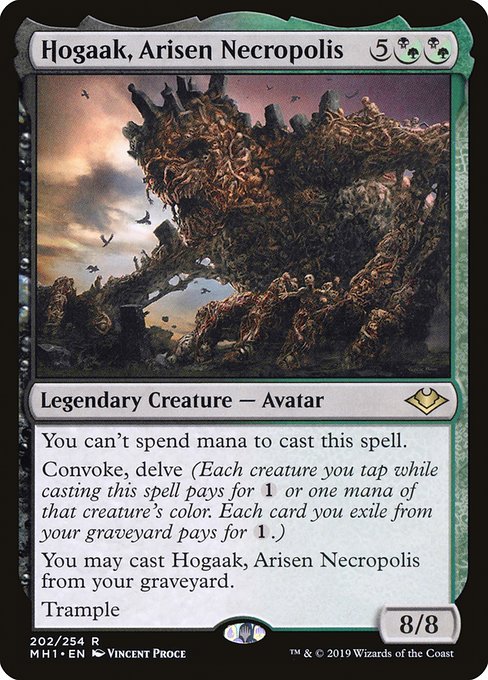
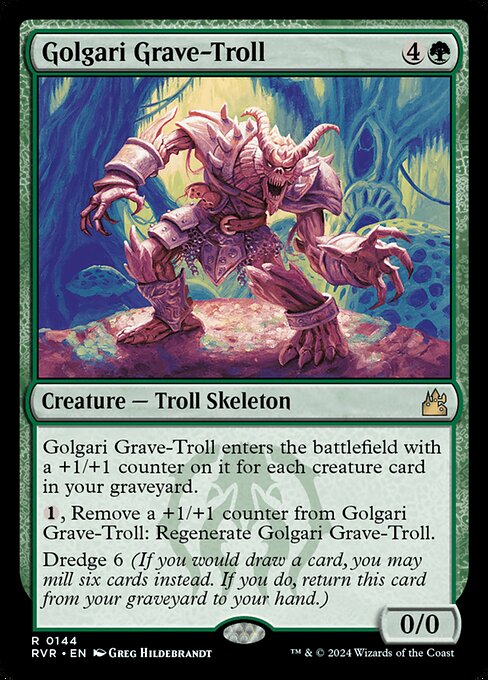
Let's be real, graveyard strategies are strong in Magic's modern landscape. We're talking about decks built around cards like Murktide Regent, which grows massive from an abundant graveyard, or Hogaak, Arisen Necropolis (may it forever rest in banned peace, but you get the idea), or even just value engines like Golgari Grave-Troll in Dredge. Without a strong answer, these decks can simply run you over. Rest in Peace is that answer. It's a complete shutdown. Once it hits the board, your opponent's entire engine grinds to a halt. Their Dragon's Rage Channeler suddenly becomes a much less exciting 1/1. Their Underworld Breach combo? Dead in the water. Even decks that just get incremental value from their graveyard, like those running Wrenn and Six or Thoughtseize targets for delirium, are significantly hampered. It forces them to play a completely different game, often one they are not prepared for. And that is the power of a well-chosen sideboard card. It's not just disruption; it rewrites the rules of the matchup.
Mystical Dispute: The Counter That Counters Everything
Blue-based control mirrors used to be coin flips. Then Mystical Dispute happened.
Three mana, instant speed, counter any spell unless its controller pays {3}. But the real kicker: if you're targeting a blue spell, it costs {U} instead of {2}{U}. That's the difference between "I can't cast this" and "I just countered your Teferi's Protection."
In a world of Chord of Calling, Collected Company, and all the green four-mana do-everything creatures? Mystical Dispute is your answer. In a control mirror where somebody's going to resolve a planeswalker? This is the card that says "nope."
Too many sideboards run three Negate and one Mystical Dispute. That's backwards. You want four Mystical Dispute and three Negate. The discount clause is that good.
Let's dive a bit deeper into why Mystical Dispute is such a powerhouse, especially in the current meta. The prevalence of blue in competitive Magic cannot be overstated. From control decks running Teferi, Time Raveler and Memory Lapse to aggressive tempo strategies leveraging Counterspell and Expressive Iteration, blue is everywhere. This means that the condition for Mystical Dispute to cost a mere single blue mana is met far more often than not. It essentially becomes a one-mana "counter target blue spell unless its controller pays {3}" with the flexibility to hit any other spell for a still-reasonable three mana. This versatility is key. You're not always going to face blue, but when you do, Mystical Dispute feels like a legal cheat code. Imagine countering a turn two Counterspell on your own play, or stopping a crucial Archmage's Charm for just one mana. It's tempo positive, mana efficient, and utterly backbreaking. In those grindy blue mirrors, where every mana matters, resolving your own threats while disrupting theirs for minimal cost is how you pull ahead. It's the kind of card that makes opponents sigh and slump in their chairs, knowing they just got out-maneuvered for next to nothing. Don't underestimate the power of a cheap, targeted counterspell that also offers broad utility.
Negate and Duress: The Duo That Never Sleeps
These two are the bread and butter of any control or midrange sideboard. Negate handles non-creature spells. Duress handles everything else-well, everything in the hand anyway.
You're not bringing these in against aggro. You're bringing them in against combo, control, and any deck that relies on key pieces resolving. Turn 2 Duress their Serum Visions? That's information and tempo. Turn 3 Negate their Ad Nauseam? That's a game win.
The key is that they're cheap. One mana for Duress and two for Negate is highway robbery. You can curve these out with your other spells and actually develop your board while disrupting theirs.
Don't cut these just because the field has creature-based decks. You need them for the non-creature-based decks that will otherwise run you over. The metagame isn't just go-wide aggro-it's also ramp players casting Storm the Festival and combo decks trying to assemble their pieces.
Let's unpack the sheer utility of this dynamic duo. Negate is the quintessential non-creature counter. In a world where planeswalkers, enchantments, artifacts, and strong instants/sorceries dominate, having a clean answer for two mana is invaluable. It stops everything from a problematic Blood Moon to a game-winning Crashing Footfalls. It's never a dead card against non-creature strategies. Then there's Duress. Oh, Duress. The information it provides alone is worth the single black mana. Knowing your opponent's hand lets you plan your next few turns with precision. Beyond that, it strips away their most dangerous non-creature threat before it even hits the stack. Targeting a combo piece, a crucial removal spell, or a value engine like Expressive Iteration can completely derail their game plan. Against combo, these two are your primary interaction. Against control, they allow you to fight over key spells or clear the way for your own. Even against some midrange strategies, hitting a Liliana of the Veil or a Chalice of the Void can be game-winning. The mistake many players make is thinking too narrowly about their applications. Yes, they don't hit creatures, but that's what your main deck removal is for! Your sideboard is about shoring up weaknesses and attacking specific archetypes, and Negate and Duress are surgical instruments for doing just that.
Unlicensed Hearse: The Card Advantage Engine
If you need graveyard hate in any color, Unlicensed Hearse deserves a look.
Two mana, artifact Vehicle: tap it to exile up to two cards from a single graveyard, and its power and toughness equal the number of cards exiled with it. That's not just hate; that's a threat that grows while it disrupts.
Turn 2 Unlicensed Hearse, then tap it each turn to exile up to two cards; it grows by up to two each time, and needs Crew 2 to attack.
The card is especially brutal in grindy matchups where you need a clock. It's a creature that dodges most removal (it's an artifact until it's turned on), it's card advantage (you're stripping their resources), and it's a win condition. Skip the "graveyard hate" creatures that don't actually impact the board-Unlicensed Hearse does it all.
This card is an absolute all-star, and it's a prime example of a sideboard card that does double duty. Graveyard hate is essential, as we've already discussed with Rest in Peace. But sometimes, you need that hate to also provide a clock, especially in matchups that tend to go long. That's where Unlicensed Hearse shines. It's not just passively sitting there; it's actively growing and putting pressure on your opponent. Its ability to dodge creature-specific removal like Lightning Bolt or Fatal Push until it becomes a creature is a huge advantage. They often need to use artifact removal, which might not even be in their main deck, or a more general catch-all like Prismatic Ending. And the fact that it can target any graveyard means you can sculpt your own, or strip away key cards from your opponent's. Need to exile their Kroxa, Titan of Death's Hunger before they can escape it? Check. Want to remove a flashback spell like Snapcaster Mage targets? Done. What about preventing their Wrenn and Six from recurring lands? Easy. Unlicensed Hearse is not just a reactive answer; it's a proactive threat that continuously punishes graveyard-reliant strategies while simultaneously pushing damage. It's efficient, resilient, and versatile – everything you want in a top-tier sideboard card.
Beyond the Staples: Filling Out Your Arsenal
While the cards we've discussed are foundational, a truly great sideboard isn't just a collection of strong individual cards. It's a cohesive unit designed to address specific threats. So, what else should you be thinking about?
Consider cards that provide broad answers to common permanent types. For enchantments, Force of Vigor or Wear // Tear are excellent choices, offering instant-speed interaction. For artifacts, Shattering Spree or Brotherhood's End can be devastating, especially against artifact-heavy aggro or combo decks. Against creature-heavy strategies, especially those with small, aggressive creatures, mass removal like Engineered Explosives (which can also hit other permanent types!) or Supreme Verdict can turn the tide. If your deck struggles against big, resilient threats, consider cards like Path to Exile or Leyline of the Void for graveyard recursion. The key is to analyze the current metagame and anticipate what your deck is most likely to struggle against. Are there a lot of Tron decks? Maybe some land destruction like Blood Moon or Alpine Moon is in order. Is combo prevalent? More hand disruption or counterspells are your friends. Don't just pick cards because they're good; pick them because they solve a specific problem your main deck has. And remember, sometimes the best hate is symmetrical, like Chalice of the Void, if your deck is built to minimize its impact on you.
Building the Complete 15
So how do you actually construct your fifteen sideboard cards?
First, identify the five decks you actually can't beat with your maindeck. That's your starting point. If you keep losing to Burn, bring in your lifegain and damage prevention. If you lose to Tron, bring in the land destruction. If you lose to combo, bring in the instant-speed disruption.
Second, play to your deck's strengths. If you're a control deck, bring in more counters and removal. If you're an aggro deck, bring in hate cards that don't slow you down. If you're a midrange deck, bring in cards that grind better than your opponent.
Third, don't just bring in cards willy-nilly-test them. Track your matchups. Which sideboard cards actually change the outcome? Which ones sit in your hand dead? If a card is dead more than 20% of the time, cut it.
A good rule of thumb: 4 cards that hose the field's best deck, 4 cards that help your worst matchup, 3 cards that improve your mirror, and 4 flex slots based on the metagame you expect.
Let's elaborate on this framework, because it's truly the secret sauce. Identifying your main deck's weaknesses comes first. Every deck has them. An aggressive creature-based deck might fold to mass removal. A combo deck might be too fragile to hand disruption. A control deck might struggle against fast aggro. Be honest with yourself about these vulnerabilities. For instance, if you're playing a creature-heavy deck and constantly get blown out by Wrath of God effects, then having Teferi's Protection or a way to rebuild quickly (like Collected Company if you're in green) in your sideboard is crucial. If Burn is running rampant in your local meta, don't skimp on those Leyline of Sanctity or Dragon's Claw effects. These aren't just "good cards"; they are targeted solutions to specific problems that prevent you from winning. Similarly, playing to your deck's strengths means understanding what your deck wants to do and enabling it more effectively post-board. If you're a control deck, siding in more counterspells like Dispel or more efficient removal like Fatal Push against creatures helps you continue to enact your game plan of attrition and control. An aggro deck, on the other hand, might want to bring in cards that push through damage or protect its creatures, like Vines of Vastwood or Smash to Smithereens against problematic artifacts.
The "flex slots" are where you demonstrate your metagame knowledge. If you know that a particular combo deck is gaining popularity, those flex slots might become additional copies of Duress or Thoughtseize. If a new artifact deck emerges, perhaps some Stony Silence or Collector Ouphe make their way in. This is where staying updated on tournament results and local play is key. Don't be afraid to adjust these slots frequently. And please, for the love of all that is holy, test your sideboard choices. Play games, track your wins and losses, and critically evaluate if the cards you're bringing in are actually making a difference. A card that sounds good on paper might underperform in practice. Use tools like the Mana Base Calculator to ensure your new sideboard cards don't throw your mana ratios completely out of whack, and the Hypergeometric Calculator can help you understand the odds of drawing those key sideboard pieces when you need them most. It's all about data-driven decisions, not just gut feelings.
The Art of Sideboarding: When to Bring What In
Knowing what cards to put in your sideboard is only half the battle. The other, equally crucial half, is knowing when to bring them in and, equally important, what to take out. This is where the true art of sideboarding lies, and it's what separates the good players from the great ones. You rarely want to just swap cards 1-for-1. Sometimes, you'll want to pivot your entire game plan.
Against an aggressive creature deck, you might want to strip out slower, more expensive interaction or value engines that won't come online fast enough. For example, if your main deck has a lot of Thoughtseize and Fatal Push, but you're facing a Burn deck, those Fatal Push are practically dead. You'd rather have specific lifegain or protection. Conversely, against a slow control deck, your efficient creature removal might be less impactful, and you'll want to swap it for more counterspells, hand disruption, or resilient threats. The key is to understand the role each card plays in your main deck and how that role changes in a specific matchup. Don't be afraid to take out cards that are typically good but are poorly positioned in the current game. Sometimes, even a strong card like Solitude might come out if your opponent plays very few creatures or creatures that don't matter as much. It's a delicate dance of maximizing your deck's effectiveness while minimizing dead draws. This also means you need to know your main deck inside and out – every card's purpose, its mana cost, and its impact on the board. The more familiar you are with your own 75, the better you'll be at making these crucial post-board adjustments.
Bottom Line
Your sideboard should feel as deliberate as your maindeck. It's not a collection of "maybe good" cards-it's your surgical kit.
Rest in Peace for graveyard decks. Mystical Dispute for blue spells. Negate for anything else non-creature. Duress for stripping their hand. Unlicensed Hearse for a threat that also disrupts.
Build with purpose. Sideboard to win. The difference between 3-2 and 4-1 at your next FNM might just be those fifteen cards you brought in from the side. Ultimately, a well-constructed and thoughtfully utilized sideboard is proof of your understanding of the game and the current metagame. It’s an extension of your strategic thinking, allowing you to adapt, overcome, and conquer. Don't treat it as an afterthought; embrace it as the strong weapon it truly is. Happy sideboarding, and may your silver bullets always find their mark!
Try it yourself: