The Fundamentals: Why Mana Bases Decide Games
You know the heartbreak: you're holding a Sheoldred, the Apocalypse in hand but staring at two Islands and a Forest. That two-life swing? Never happens. A solid mana base isn't just about hitting lands—it's about consistently executing your battle plans while your opponents stumble. The difference between curve-out kills and watching your win condition rot in hand often comes down to 5-6 mana decisions made during deckbuilding. At every budget level from $25 to $500, the mana base is the place to start.


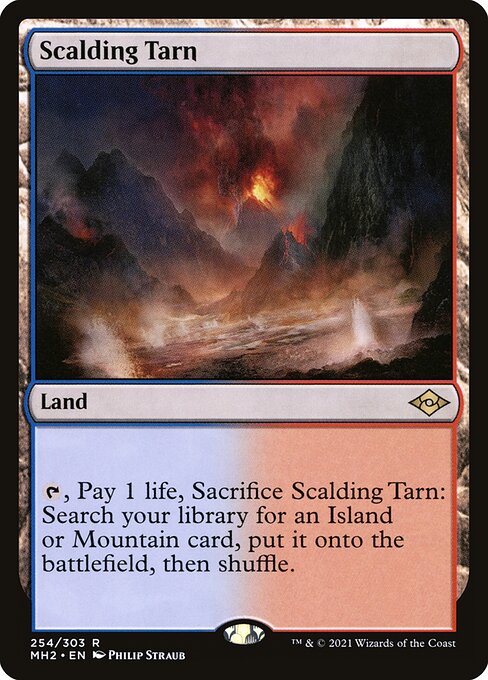
The key is understanding not just what lands to play, but why. A Battlefield Forge can be better than Scalding Tarn in certain deck shells—if you built around taking pain for tempo advantage. It's all about what your deck actually needs to function, not just what's considered 'premium'. Sometimes, that pain-land is exactly what you need to cast your Thundermaw Hellkite on curve.
Color Counting Like a Pro: Beyond the Basics
Let's get surgical. The "15-18 sources per color" guideline works, but meta matters. Kiki-Jiki, Mirror Breaker combo requires exact timing on red, so a heavy red source count is necessary even in two-color; our mana base calculator gives the exact number. You absolutely need to be able to cast that Kiki-Jiki on turn three or four, and if you're missing a red source, your whole game plan falls apart. Consider a game line where you're on the play: Turn 1 Birds of Paradise, Turn 2 Pestermite with the extra mana, then Kiki-Jiki, Mirror Breaker once you reach five mana. You need those colored sources to hit that line consistently.
Craterhoof Behemoth decks need far more than 14 green sources — its triple-green cost wants 26+ by Karsten's 99-card table because Rampant Growth and Nature's Lore smooth curves. These aren't just mana sources; they're mana fixers. Track your Demonic Tutor and Vampiric Tutor counts—they function as mana fixing when you're searching for lands, often grabbing a Breeding Pool or Overgrown Tomb to ensure your follow-up plays. They're not lands themselves, but they enable you to find the lands you need, making your effective land count higher.
When calculating five-color demands, look beyond basic counting. City of Brass counts as five color sources, but its damage cost needs synergy. Mana Confluence is similar, but enables Death's Shadow strategies. These lands unlock higher curves while fueling burn plans, but only if your game plan accepts the 2-4 life tax per turn as part of your strategy. If you're playing against Mono-Red Aggro in Pioneer, those life points from City of Brass can add up fast. You might need to adjust your strategy or look for less painful alternatives.
Budget Mana Toolbox: Lands That Punch Above Price
Here's where the real magic happens—the hidden gems that build competitive mana bases for a fraction of the cost:
- Thriving Lands (Thriving Isle, Thriving Grove): These provide good color fixing for two- and three-color decks, though they have no basic land types and cannot be found by fetch lands. You name a color, and it taps for it. In a deck running Crucible of Worlds, these become repeatable land drops for value.
- Vivid Lands (Vivid Creek, Vivid Crag): In five-color Niv-Mizzet Reborn shells, these function as rainbow fixing for a few turns. The two charge counters mean you get reliable fixing for a couple of turns, which is often all you need in the early game to stabilize.
- Scry Lands (Temple of Abandon, Temple of Epiphany): These aren't just fixing—they're card selection. Every scry is a mini-Ponder, increasing your land drops and hitting curve. In Standard, Izzet Lessons often wants to dig for specific spells, a Temple of Epiphany can be crucial for finding that Artist's Talent or Monument to Endurance.
- Slow Fetches (Evolving Wilds, Terramorphic Expanse): These are Prismatic Vista budget replacements. They thin your deck and enable Field of the Dead strategies while providing basic land types for Rampaging Baloths. Sure, they come in tapped, but if you're playing a slower game or have early turns filled with mana dorks, the tapped drawback is minimal compared to the fixing they provide.
- Pain Lands (Battlefield Forge, Sulfurous Springs): These lands can provide untapped colored mana for aggressive strategies, but at the cost of one life per tap. In Boros Aggro or Mono-Red Aggro, the tempo gain from untapped mana often outweighs the life loss.
The trick isn't finding perfect replacements—it's finding synergistic alternatives that complement your deck's plan. Crumbling Necropolis in a Grixis deck isn't inferior to Underground Sea if you're running Mulldrifter for draw and Dack Fayden for looting. It's about how the pieces fit together in your specific 99.
Mana Dorks vs. Rocks: The Curve Acceleration
Dockside Extortionist has been banned in Commander since September 2024, and Llanowar Elves still beats Sol Ring in Selvala, Heart of the Wilds builds for pure colored mana acceleration. The key is understanding acceleration ratios. Arbor Elf accelerates Dryad of the Ilysian Grove for color fixing, while Manalith provides artifact synergy for Talisman of Progress builds. Budget choices create entire archetype synergies. For example, in a Mono-Green Landfall deck, Icetill Explorer benefits greatly from Llanowar Elves getting them out faster.
Rocks like Wayfarer's Bauble provide color fixing while maintaining artifact synergy for Aetherflux Reservoir builds. It's a one-mana artifact that you later pay two more to activate for a basic land, which can be critical for certain combo lines. Talisman of Creativity enables Storm strategies by maintaining artifact identity while fixing colors. When Mind Stone wheels in Cephalid Breakfast shells, budget becomes advantage—the rock enables Painter's Servant interactions. Don't forget the Signets and Talismans cycle, like Dimir Signet or Boros Signet, which are cheap, effective, and provide crucial color fixing for two-color decks.
The Mana Counting Formula That Actually Works: Beyond Simple Math
Forget cookie-cutter counts. This accounts for curve acceleration and tempo needs. This isn't just about raw numbers; it's about when you need that mana. If your deck's entire game plan revolves around casting Sheoldred, the Apocalypse on turn 4, you need to ensure you have enough black sources to hit that reliably.
For Winota, Joiner of Forces decks, Human count influences color sources. Winota is red-white, so green sources are irrelevant to casting her; count red and white sources instead. Similarly, Atraxa lists often use artifact fixing such as Chromatic Sphere for Planeswalker-heavy curves. Every card interaction shifts mana requirements—build around synergy, not just color counts. If your deck relies on a specific card, like Ouroboroid in Simic, you need to ensure you can cast it on time, and budget lands like Thriving Grove can help immensely.
Budget Case Study: Grixis Midrange on a Shoestring
Here's the proof: a budget Grixis Commander deck built entirely on cheap mana. We needed Grixis colors for Rakdos, Lord of Riots, Dack Fayden, and Underworld Breach value. The mana base cost under $100 total:
This combination provided perfect Grixis mana without Scalding Tarn or Badlands, totaling around $37 for the lands alone. The synergy came from the artifact Grixis shell enabling Dack Fayden while Crumbling Necropolis provided tri-color fixing. Every land choice served a dual purpose—either color fixing for Dack Fayden or enabling artifact synergies. The Signets are crucial here, letting you convert colorless mana into the specific colors you need for your commander or strong spells like Underworld Breach. Mystic Sanctuary provides strong recursion for instants and sorceries, which is a huge value engine in a control-oriented Grixis build.
The Five-Color Challenge: Doing it Cheap
Building five colors without Scalding Tarn and Verdant Catacombs sounds impossible, but Niv-Mizzet Reborn lists prove otherwise. The secret is color fixing through density rather than individual land quality:
- Run Command Tower x1 for five-color fixing, plus tri-lands such as Arcane Sanctum for three of your colors. These are auto-includes in any budget five-color Commander deck.
- Mana rocks like Arcane Signet, Mind Stone, Prismatic Lens provide acceleration. These are critical for hitting those higher mana costs like Niv-Mizzet Reborn reliably.
- Cultivate and Rampant Growth smooth early green while Nature's Lore fetches duals. Even basic forests can be strong with these ramp spells.
- Prismatic Vista + Evolving Wilds thin deck while ramp providing color fixing. These fetch any basic, allowing you to grab the color you need most at that moment.
- Consider the Triome cycle if your budget allows for a few, like Ketria Triome or Indatha Triome. They're pricier than basics but offer three colors and can be fetched.
The key is understanding Niv-Mizzet Reborn as a midgame engine: you don't need perfect Cromat mana curve—just enough fixing to consistently cast Niv on turn 5-7 through acceleration rather than early land drops. You can use a tool like our Hypergeometric Calculator to figure out the odds of drawing your key mana fixers by turn 3 or 4.
Common Mistakes and Corrections: Learning from Others' Stumbles
The biggest mistake is over-valuing perfect color fixing at the expense of deck synergy. Battlefield Forge in Boros aggro is perfectly serviceable—it costs life, but Lightning Strike doesn't care about untapped mana. Similarly, Tundra isn't essential for Azorius control lists when Temple of Enlightenment and Hallowed Fountain provide the same mana for half the price. Don't fall into the trap of thinking you need the most expensive lands if cheaper, synergistic alternatives exist.
Mana curve mistakes include: over-ramping with Sol Ring in Gishath, Sun's Avatar decks when the deck needs colored green sources for early Dinosaur plays, under-curving in Adventurous Impulse Druid lists, and mismatched artifact/enchantment counts affecting Cultivate land choice selection. For example, if your Gishath deck has a lot of green 1-drop mana dorks, you need to ensure you have enough early green sources to cast them. Adding too many colorless mana rocks might hinder that.
Testing and Iteration: Your Mana Base is a Living Thing
Your mana base is a living organism. Track performance with a simple ledger: Hit lands? Color sources? Curve acceleration? Draw engine synergy? After five games, patterns emerge. Nexus of Fate lists with Temple of Mystery underperform vs. Mystic Sanctuary Grixis builds. The difference isn't raw power—it's synergy with Dack Fayden Planeswalkers value engines. Every time you play, pay attention. Did you miss a land drop? Did you have the colors for your key spell?
Advanced testing uses goldfishing (playing solitaire against empty battlefield) to test mana curve timing: Demonic Tutor Tinker lists can operate on 9 mana sources when artifact synergy provides acceleration. Conversely, Jeskai Control wants 30 blue sources by Karsten's 99-card table to cast Counterspell on turn two. This is where the Mana Base Calculator really shines, letting you simulate draws and see how often you'll hit your critical mana thresholds. Don't be afraid to adjust your land count by one or two after a few testing sessions.
Conclusion: The Budget Advantage
Perfect mana bases aren't about perfect lands—they're about perfect synergies. Every Crumbling Necropolis you run over Volcanic Island isn't a compromise—it's an opportunity to find creative solutions. Budget builds force synergistic land choices that expensive lists occasionally overlook. The Command Tower that enables Niv-Mizzet Reborn Grixis Breath of Life combos isn't inferior—it's a better fit for your deck's artifact, Planeswalkers, and sorcery density. Next time you're building a deck, remember: it's not about the lands' price tag—it's about whether they enable your Sheoldred, the Apocalypse Dack Fayden win conditions on curve. Those $37 Grixis lists winning tournaments aren't budget accidents—they're proof that Crumbling Necropolis, Island, Mountain, and Swamp produce the same Red, Blue, Black mana as Scalding Tarn, Watery Grave, and Badlands—at a 99% discount. So get out there, crack those packs, and build mana bases that curve out into victories, regardless of the price tag.
Try it yourself:
- Build your mana base to optimize your land counts and color distribution.
- Calculate your draw odds for key cards and land drops to ensure consistency.
- If you're diving into Limited, use our Draft Simulator to practice picking lands and evaluating mana curves on the fly.
- Browse all dual land cycles to find more budget-friendly options.
- Check current prices on your favorite lands and other cards.
Tools & Guides You Might Like
Frequently Asked Questions
How many colored sources do I need per color in a Commander deck?
Karsten's 99-card table asks for 19 sources of a color for a single pip on turn one, and 26 for a double pip on turn four for spells you want to cast on curve. Combo decks with tight color requirements (like a turn-three Kiki-Jiki, Mirror Breaker line) need 26 or more sources of the relevant color even in two-color builds. Three-color decks can lean on ramp like Rampant Growth and Nature’s Lore to smooth out missing sources.
Are pain lands worth running on a budget?
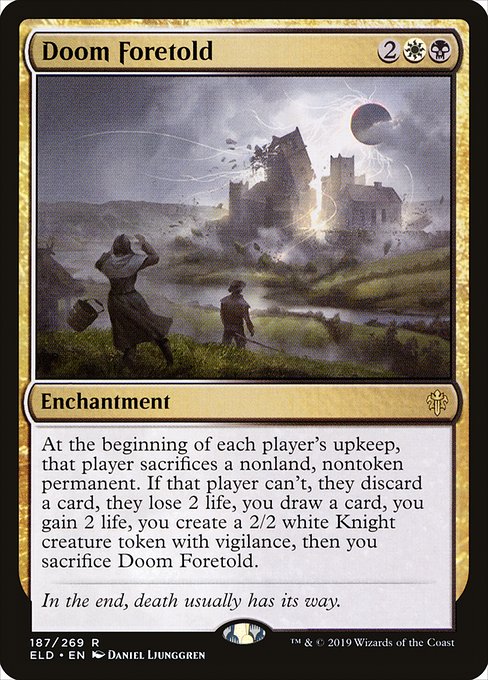
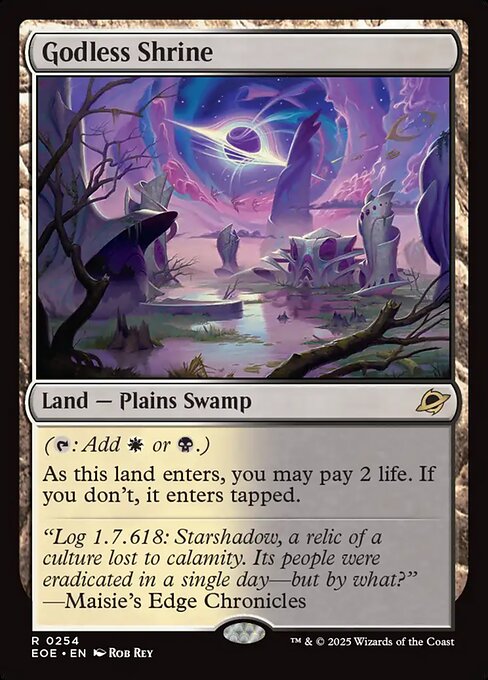
Yes. A Battlefield Forge can be better than a Scalding Tarn in shells that benefit from taking damage for tempo advantage. Pain lands give you consistent untapped colored mana for $1-3 each, and budget Doom Foretold lists have won events running Temple of Silence, Godless Shrine, and basic Plains together.
Do tutors count toward effective mana fixing?
Indirectly, yes. Demonic Tutor and Vampiric Tutor effectively raise your colored source count when you can use them to find a critical dual land like Breeding Pool or Overgrown Tomb. They are not lands themselves, but they enable you to find the lands you need, making your effective land count higher.
What is the cheapest mana base for a 5-color Commander deck?
City of Brass and Mana Confluence each count as one source of every color, satisfying five color requirements at once, but their damage costs need synergy. Pair them with cheap fixing like Command Tower, Path of Ancestry, Exotic Orchard, the budget shock land alternatives (Temple of Silence, Temple of Plenty), and a strong basic land base. Tutors and ramp spells fill any remaining gaps.
How do I know if my mana base actually works?
Adjust by one or two lands after a few testing sessions and watch for hands you can't keep because of color. Use the ScrollVault Mana Base Calculator (linked in the article) to run Frank Karsten’s probability math against your exact decklist before sleeving up.