The Turn 2 Trap
You're on the play. You've got a Mishra's Bauble, an Expressive Iteration, a Murktide Regent in hand, and a Dragon's Rage Channeler in the library. Most players jam Murktide on turn 2 the second they hit three lands. It's wrong. That's how you get bricked by a basic Island and a timely Solitude, or worse, a Lightning Bolt when you tapped out.
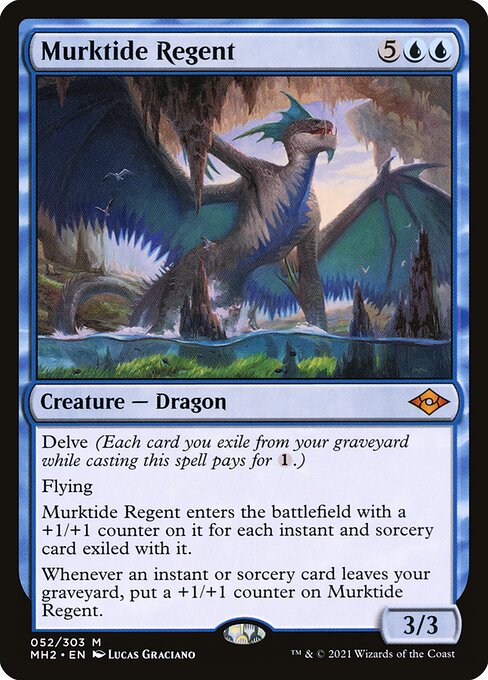
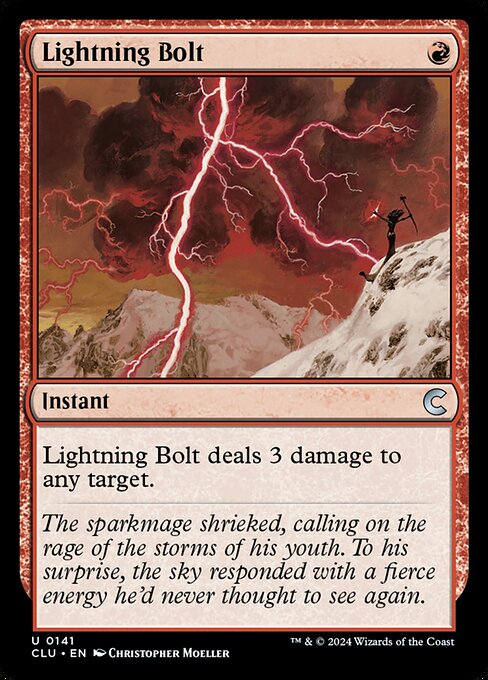
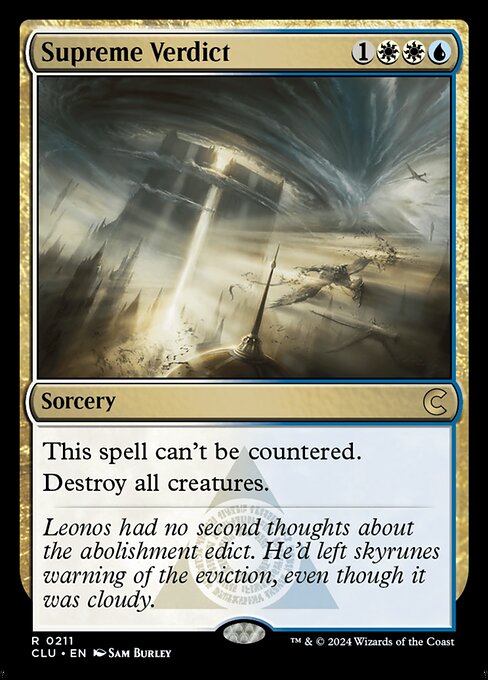
Murktide Regent isn't just a threat; it's a clock that also happens to kill stuff. You want to cast it when your opponent is hellbent and you've got backup, or when it's big enough to shrug off common removal. If you slam it on curve into an empty board against an unknown opponent, they just wrath you with a Supreme Verdict or an Engineered Explosives, and you're left holding two mana worth of cards. That's not tempo—that's suicide. The goal is to maximize its impact and minimize the risk of a blowout, making them spend more resources than you do.
Dragon's Rage Channeler: The Real MVP
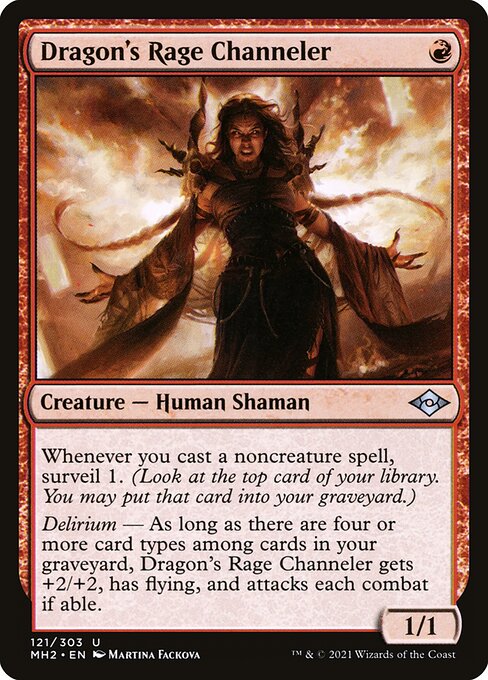
Dragon's Rage Channeler is the card that truly makes this deck hum. On turn 2, you're not looking to cast Murktide; you're looking to get Channeler online and start digging. A turn 2 Channeler into a Mishra's Bauble or Expressive Iteration is the nuts. It fuels your graveyard for Murktide, provides critical card selection, and acts as an early, aggressive threat. It forces your opponent to use their removal before they've developed their own board, or they'll be facing down a 4/4 flying dragon on turn 3. That's tempo. That's pressure.
When you have both Murktide and Channeler in hand, you need to ask: what's the play? If your opponent is on a slower deck like Azorius Control, get Channeler down first to start accruing value and force their hand. If they're on an aggressive deck like Mono-Red Burn, maybe you need Murktide to block and stabilize. But in most matchups, the sequence that wins more games is Channeler on 1 or 2, followed by a Murktide on turn 3 with a Counterspell backup. That turn 3 clock is brutal, especially if you've already flipped your Channeler into a 3/3 flyer. This line pressures their life total while maintaining interaction, a hallmark of strong tempo plays.
Counterspell: The Glue
Counterspell looks boring, but it's the reason this deck doesn't fold to control or combo. You're not running Counterspell just to protect your guys—well, sometimes you are—but mostly you're using it to protect your tempo and disrupt your opponent's key plays. A well-timed Counterspell on their turn 3 sweep, like a sweeper or a Liliana of the Veil, means your Murktide lives, and they're down a card and a turn. It’s about using your mana efficiently to prevent their game plan from developing.
The key is often holding onto Counterspell when you have a Murktide on board or in hand. If you're at 5 mana and you have a Murktide plus Counterspell in hand, don't just cast the Murktide yet. Wait. Let them use their turn, counter what matters, then cast Murktide Regent on your own turn. That's the kind of play that makes your opponent squirm, as it leaves them with fewer options on their turn and you with a massive threat and an open board. Remember, you can also use Force of Negation to protect your Murktide on non-creature spells, saving your mana for other threats or interaction.
Bauble and Iteration: Card Selection is Tempo
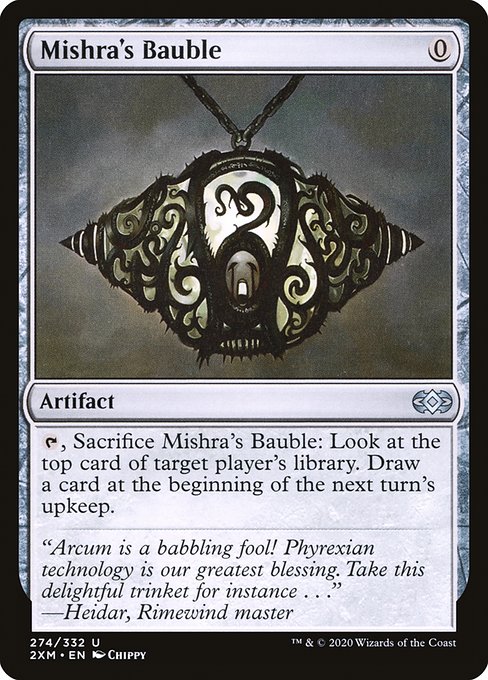
Mishra's Bauble and Expressive Iteration are the engines that find your pieces without truly costing you tempo. You're not "losing" a turn to draw; you're setting up for future turns and sculpting your hand. Bauble on turn 1 lets you look at the top card of a library, potentially allowing you to shuffle away junk with a fetch land and ensure a smooth curve. It also fuels your graveyard for Murktide Regent and Delirium on Dragon's Rage Channeler, making it a critical one-mana cantrip. This kind of early information and graveyard synergy is invaluable in Modern.
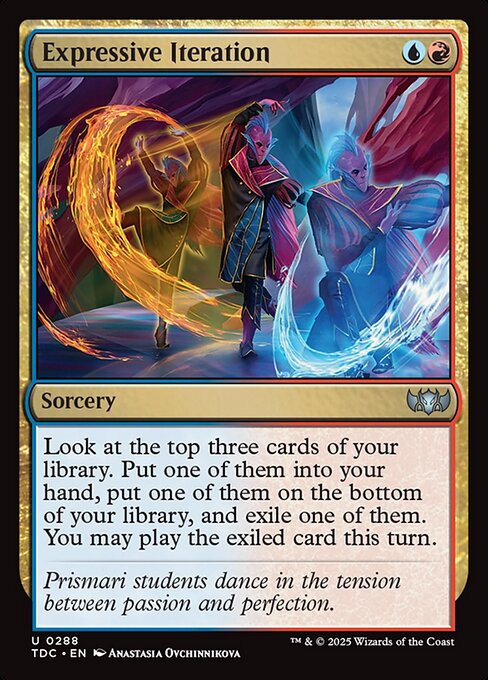
Expressive Iteration on turn 2 or 3 often looks like you're falling behind, but it digs three deep and gives you an extra land drop or another spell if you need it. It's a sorcery, so plan to cast it on your own turn. That's the secret: you don't always need to be the fastest deck. You just need to be faster when it counts. It's a prime example of card advantage that also contributes to your graveyard, making it one of the most strong cards in the deck. Playing it correctly often involves leaving up mana for a Counterspell or Lightning Bolt, only casting Iteration if they don't present a threat or if you need to dig for an answer. This flexibility is what makes it so good.
Common Sequencing Blunders That Lose Games
Bricking on too many Murktides: Two Murktides Regent in hand early? That's not gas; that's a liability. You often want to discard one to an Expressive Iteration or a Lightning Axe, or just hold it until your first Murktide is dealt with. Having multiple copies of your big finisher early can clog your hand and prevent you from developing your board or interacting. This is where good hand-sculpting comes in, knowing when to pitch a second copy to a cantrip.
Missing the Island: Murktide wants to cast instants and sorceries, and Counterspell needs two blue. If you've got three Mountains and one Island, you're probably not casting Counterspell on their turn 2 Ragavan, Nimble Pilferer. Mana weaving is a real thing—make sure you have enough blue sources early. Using a tool like our Mana Base Calculator can help you figure out the optimal number of blue sources to hit your Counterspell on turn 2 reliably, which requires 21 blue sources by Karsten's 60-card table (18 is the figure for turn three, not turn two). Fetches like Scalding Tarn are crucial for this, giving you access to both Steam Vents and basic Islands.
Channeler into topdeck: Casting Dragon's Rage Channeler on turn 2 feels great, but if you don't have any spells in hand to trigger its ability, you're just praying to topdeck. Keep enough noncreature spells that Channeler's surveil triggers actually fill the graveyard. One spell in hand isn't enough—you need at least two or three to make it worthwhile and flip it into a Delirium threat. This means prioritizing cantrips or cheap interaction over dropping the Channeler if your hand is otherwise empty.
The Nuts: When It All Clicks
There's a turn that makes all this worthwhile. Turn 1: Mishra's Bauble, crack it, see an Island. Turn 2: Cast Dragon's Rage Channeler. They play a creature like a Death's Shadow. Turn 3: You cast Murktide Regent for its delve cost, holding up Counterspell. On their turn, they try to kill something with a Fatal Push, you counter it. On your turn, you swing with a 4/4 flier, and they're down to 12. That's the tempo puzzle solved: you're advancing your board, answering theirs, and applying pressure all at once. That's when you know you've got it. This ideal sequence demonstrates how each piece of the Izzet Murktide puzzle fits together to create an unstoppable tempo machine.
Modern Metagame Analysis for Murktide
Modern is a brutal format right now, with Boros Energy among the top decks. This means you're going to see a lot of Ragavan, Nimble Pilferer. Murktide Regent is still incredibly well-positioned against these aggressive strategies because of its ability to present a large, evasive threat that can block and race. Our Lightning Bolt and Unholy Heat are fantastic at dealing with their early threats, and Counterspell allows us to interact with their more expensive spells.
However, you need to be wary of decks like Eldrazi Tron, which is trending up strongly at 5.6%. Their Thought-Knot Seer and Ugin, the Spirit Dragon can be problematic. Murktide's strength here lies in its speed and disruption; if you can get a Murktide down early and protect it, you can often race them before they assemble Tron. Force of Negation is key in this matchup to stop their big threats or Karn, the Great Creator. Against Ruby Storm (7.8%), our counterspells matter more than anything. Learning to use cards like Spell Pierce from the sideboard to disrupt their early rituals and cost reduction is crucial. Affinity (5.9%) is another fast aggro deck, but our cheap removal and flying threats usually give us an edge, especially if we can kill their Cranial Plating targets.
Izzet Murktide Decklist
This is a fairly standard, battle-tested Izzet Murktide list that has consistently put up results. Ragavan, Nimble Pilferer is an absolute menace on turn 1, generating mana and card advantage, and often drawing out early removal that clears the way for Dragon's Rage Channeler. Ledger Shredder is a recent addition that's proving its worth, providing a resilient threat that grows itself and helps with card selection, synergizing perfectly with our cantrips and instant-speed interaction. It's a great alternative to a second Dragon's Rage Channeler if you're worried about sweepers.
The inclusion of Blood Moon in the main deck is a meta call, and a strong one. Against greedy three-color or Tron decks, slamming a turn 2 Blood Moon can just end the game on the spot, turning off their fetch lands and non-basic mana sources. It's a high-risk, high-reward play that can steal games. You'll often find yourself wanting to resolve a Blood Moon on turn 2 if you're on the play against a deck like Amulet Titan (3.5%) or even some of the 4/5c Omnath (0.3%) lists. Just be mindful of your own mana; you still need those Islands for Counterspell!
For the sideboard, Mystical Dispute is an absolute must against other blue decks like Dimir Midrange (3.2%) and Jeskai Blink (5.3%). Alpine Moon is another piece of land hate, specifically for Tron and Valakut, the Molten Pinnacle strategies. Relic of Progenitus helps combat other graveyard-centric decks like Living End (3.1%) and the mirror match. Dress Down is versatile, shutting down creature abilities and even acting as a cantrip. Surgical Extraction is for combo matchups or to permanently remove key threats. Brotherhood's End is your answer to go-wide strategies like Affinity, while Subtlety provides additional elemental interaction. Tishana's Tidebinder is a fantastic new tool for shutting down strong activated or triggered abilities, making it a strong inclusion against Amulet Titan or Yawgmoth. Finally, Lightning Axe offers an efficient way to deal with large creatures while also filling your graveyard for Murktide.
Tools & Guides You Might Like
Frequently Asked Questions
When should I cast Murktide Regent?
Not on turn 2 just because you have three lands. The strongest line is to lead with Dragon’s Rage Channeler on turn 1 or 2, develop your graveyard, then drop Murktide on turn 3 with Counterspell backup. Casting Murktide into an empty board against an unknown opponent often gets blown out by Supreme Verdict or Engineered Explosives.
Why is Dragon’s Rage Channeler so important in Murktide decks?
Channeler is the engine that fills the graveyard for Murktide while providing card selection through surveil. A turn-2 Channeler into Mishra’s Bauble or Expressive Iteration forces the opponent to use removal early or face down a 4/4 flying dragon by turn 3.
Should I cast Murktide on turn 3 with Counterspell backup?
In most matchups, yes. The sequence Channeler on turn 1 or 2 then Murktide on turn 3 with Counterspell up is brutal, especially if you have already flipped Channeler into a 3/3 flyer. That clock pressures their life total while you still hold interaction.
When should I hold Counterspell instead of casting it?
When you have a Murktide on board or in hand. If you are at 5 mana with Murktide plus Counterspell, do not cast Murktide yet. Wait, let them try to remove it, then counter their removal. You preserve tempo and trade one card for two.
What does Murktide Regent give the deck that other threats do not?
Murktide Regent isn’t just a threat; it’s a clock that also kills stuff. It scales with delve fuel from Mishra’s Bauble, Expressive Iteration, and Channeler’s surveil, often coming down as a 6/6 or 7/7 flyer that shrugs off Lightning Bolt and most cheap removal.